Crete: the island that stays open in February
Crete is 260 kilometres long, with peaks above 2,400 metres, three airports, three universities and a motorway. More than half a million people are still here in February, which is why the tavernas stay open, the builders keep working through the winter and a house bought on Crete is not shuttered for eight months of the year. That changes what owning one here is worth.
We currently list 16 properties in Crete.
Four regions that barely resemble each other
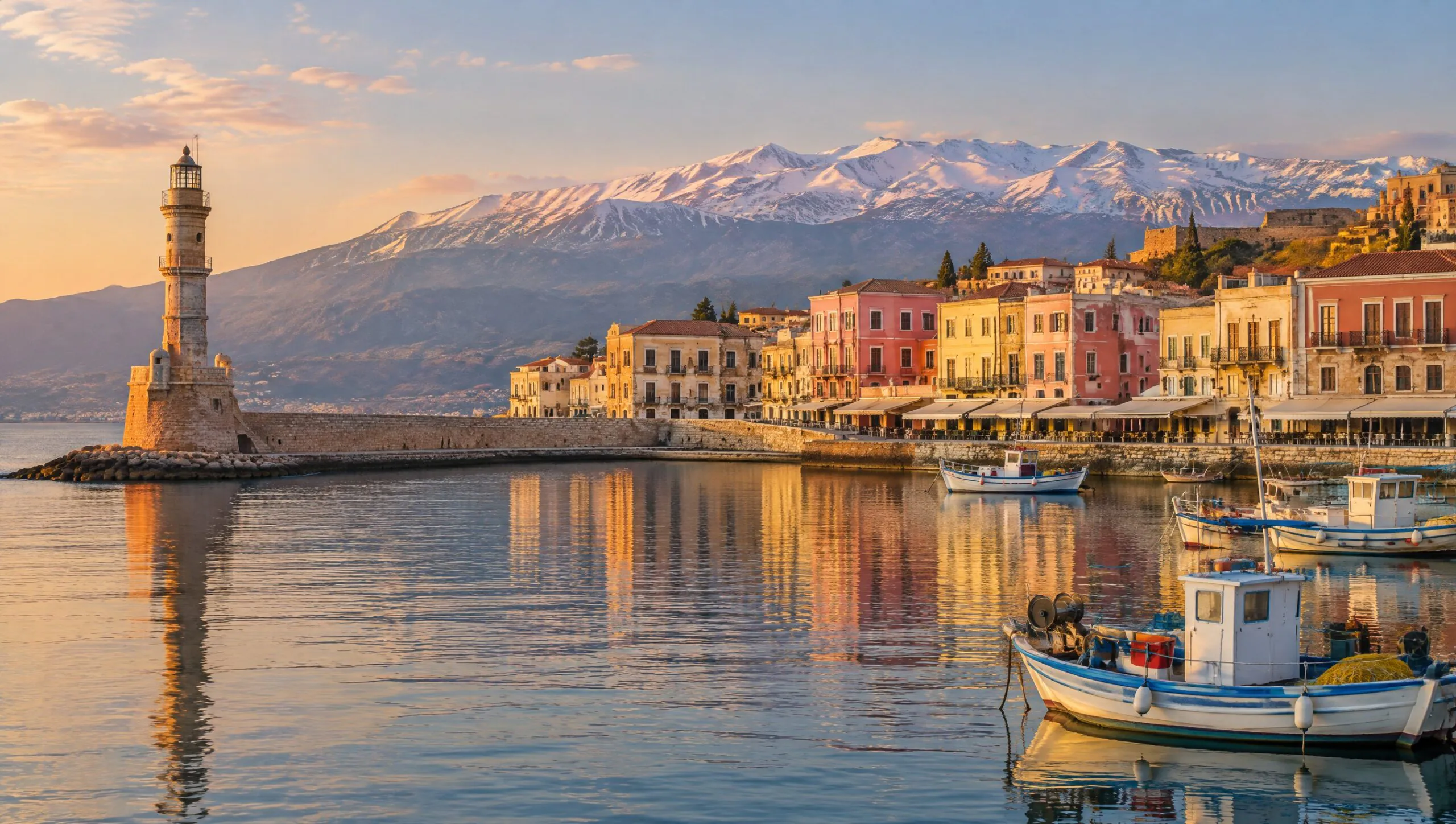
Crete divides into four prefectures and they are genuinely different places. Chania in the west has the Venetian harbour, the White Mountains and the greenest landscape. Rethymno in the middle is quieter and cheaper, with a long north coast and almost nothing on the south. Heraklion is the working capital, Knossos, and the island’s commercial centre. Lasithi in the east holds Elounda and Agios Nikolaos, the luxury end of the island, and then empties out towards Sitia.
The north coast is where almost everyone lives and buys. The south coast — Plakias, Loutro, Ierapetra — is hotter, emptier, harder to reach and significantly cheaper, and a genuine option if solitude is the point.
The practical case: it works in February
Three airports — Chania, Heraklion and the small one at Sitia — take direct European flights through the season, and Heraklion and Chania run year-round connections through Athens. There are private hospitals, international schools around Chania and Heraklion, and ferries to Piraeus every night of the year.
What that adds up to is a place where the shops do not close in November. Crete has the largest permanent foreign community of any Greek island, concentrated in the Apokoronas hills behind Chania — Almyrida, Vamos, Gavalochori, Kokkino Chorio — and it exists precisely because the island supports ordinary life rather than a season.
Which part of Crete to choose
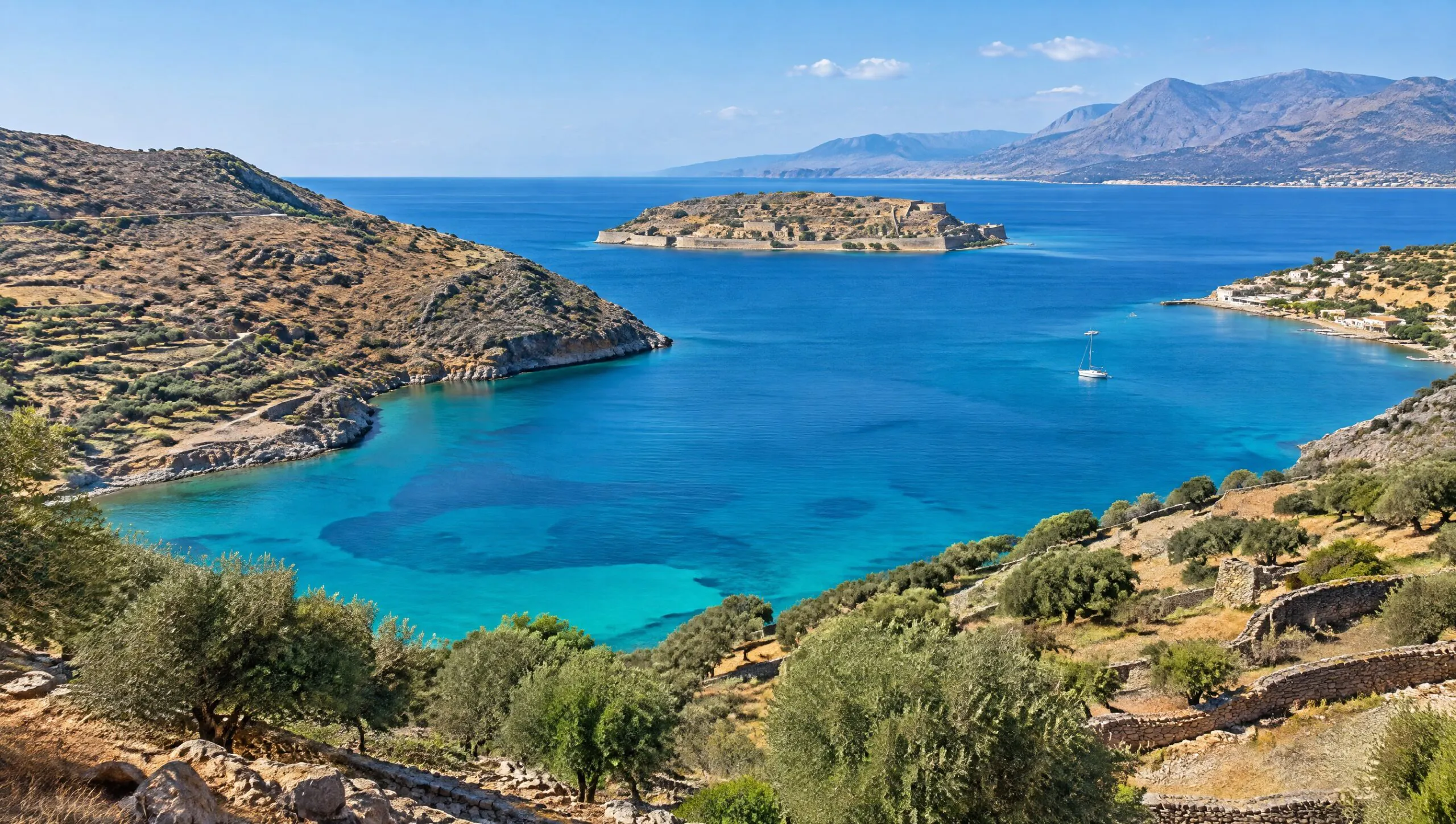
Elounda and Plaka. The luxury capital of Crete, built around the Mirabello bay and the hotels that made it. The highest prices on the island and the most international market — and a useful warning about averages, because the Lasithi region that contains Elounda is also the cheapest in Crete at about €1,950 per square metre. Nothing within fifteen minutes of the bay trades anywhere near that. On this island you price the address, never the prefecture.
Agios Nikolaos and Kritsa. A real town with a working harbour, and hill villages immediately behind it with views over the gulf. Noticeably better value than Elounda, ten minutes away.
Apokoronas. The rolling country between Chania and Georgioupoli — Almyrida, Kokkino Chorio, Vamos. The heart of the resident foreign community, with the best supply of finished modern villas on the island.
Chania and Akrotiri. The Venetian old town for buyers who want a city, and the Akrotiri peninsula just beyond it for sea views within fifteen minutes of it. The most liquid market in western Crete.
Rethymno and Georgioupoli. Long sandy coast, a handsome old town, and asking prices around €2,200 per square metre — well below Chania’s €3,100 for the same kind of house. The best value on the north coast.
Agia Pelagia and the Heraklion coast. Steep bays within twenty-five minutes of the airport. Convenient rather than romantic, and priced accordingly.
Sitia and the east. Empty, agricultural and very cheap, with a small airport and a long drive from anywhere else. A project, not a convenience.
Why buyers choose Crete over a smaller island
Scale and self-sufficiency. Crete has the infrastructure to be lived in, the land to build on, and prices roughly half the Cyclades for a comparable house: about €2,250 per square metre island-wide against €4,060 across the Cyclades, and that gap widens sharply at the top, where Mykonos’s luxury stock asks a median near €16,800. The island is not uniform, though. Chania asks about €3,100, Rethymno and Heraklion about €2,200, and Lasithi about €1,950 — so which end of Crete you choose moves the price more than almost any other decision.
It also has a longer season. The south coast swims from May to late October, the north from June, and the island stays warm enough into November that owners genuinely use it outside the summer.
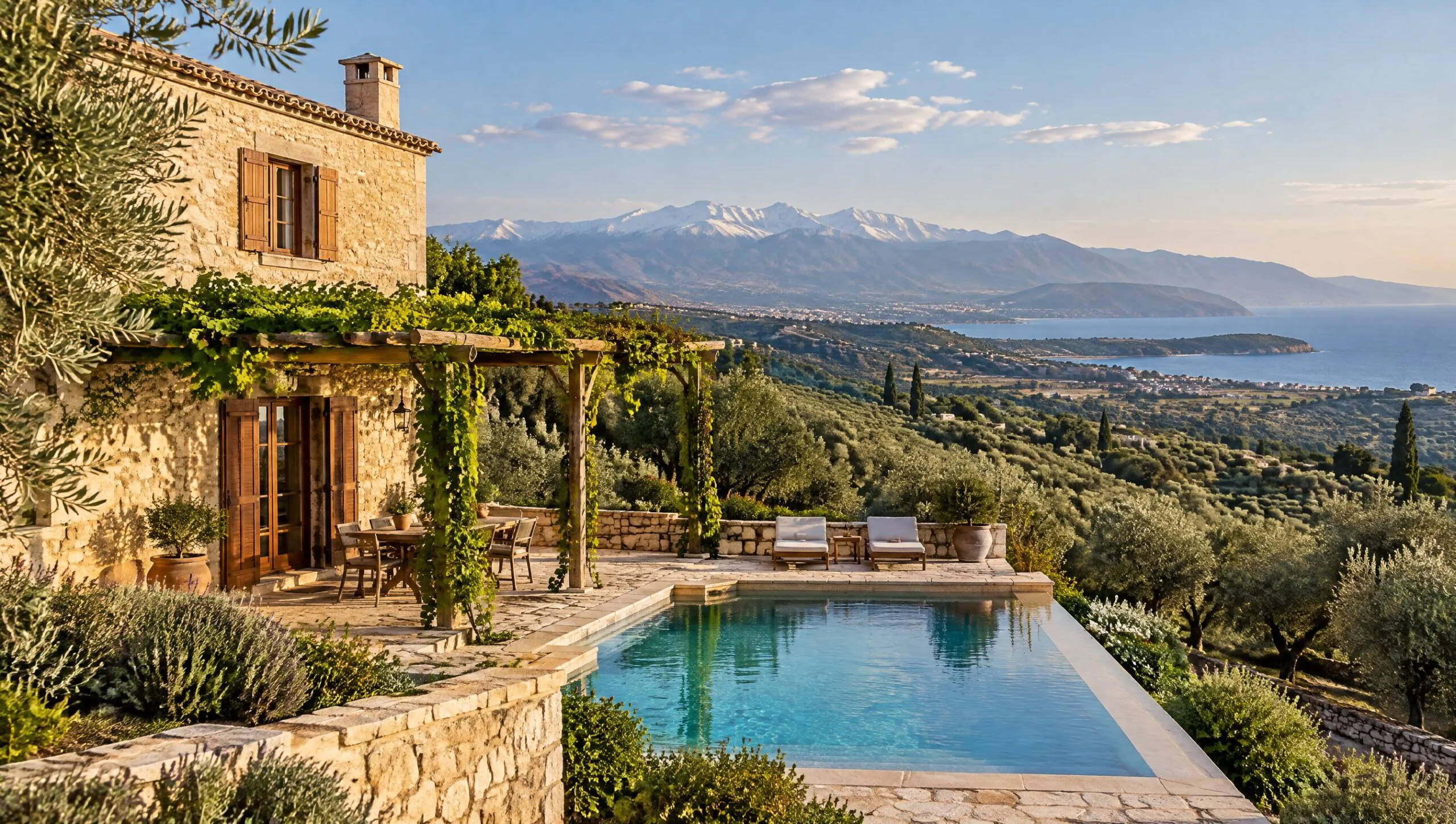
And it has variety that no small island can offer. You can own a seafront flat in a Venetian town, a stone house in a mountain village at six hundred metres, or a modern villa on an olive terrace twenty minutes from an airport — all within the same island, the same lawyer and the same tax file.
The investment case, stated plainly
Crete’s rental season is among the longest in Greece — rivalled only by Rhodes — and demand is broad rather than luxury-dependent: families, walkers, couples out of season. Yields are lower per week than Mykonos and far more weeks are lettable, which suits an owner who wants steady income rather than a spectacular eight weeks.
The honest caution is that Crete is big, and distance is real. Chania to Sitia is a four-hour drive. People buy a house in the east because it is cheap and then discover their flights land in the west. Decide which airport you will actually use before you decide which coast you like.
The second caution is construction quality. There is a great deal of foreign-built villa stock on Crete from the 2000s boom, and it varies enormously. A structural survey here is not optional, and we commission one on every purchase.
Questions we get about Crete
Is Crete in the higher Golden Visa band? Yes. The €800,000 threshold covers every Greek island with more than 3,100 inhabitants, so all four Cretan regions sit in the upper tier, with a 120 m² minimum. A €250,000 route survives for commercial-to-residential conversions and listed-building restorations, which in Chania or Rethymno old town is a live option rather than a technicality. The rules have moved more than once, so we check the current text against the specific property.
Can a non-EU buyer purchase anywhere on Crete? Almost everywhere, but parts of the island are designated border zones where non-EU buyers need ministry approval. It is routinely granted and it adds time. We identify it before you make an offer.
How long does a purchase take? Eight to twelve weeks with clean title. Crete has more unregistered older property than Athens, and village houses with inherited titles are the usual cause of delay.
Is it worth buying off-plan? Sometimes, and only with staged payments tied to construction milestones and a lawyer holding the contract. There are good developers on Crete and there are others.
Can I live there all year? Yes, and thousands do. Healthcare, schools and shopping are real; the island is self-sufficient in a way no other Greek island is.
Buying in Crete
Every property below has been seen by someone on our team, and the figures come from the file rather than the advertisement. On an island this size the most useful thing we do is narrow it down, so tell us how you intend to use it.
Browse what is available below, or send us the region and budget you have in mind.
Currently for sale in Crete
 Golden Visa Eligible
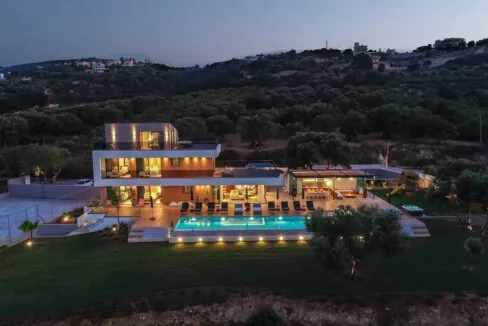 Golden Visa Eligible
 Golden Visa Eligible
 Golden Visa Eligible
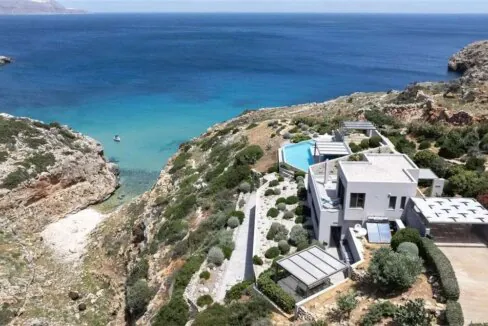 Golden Visa Eligible
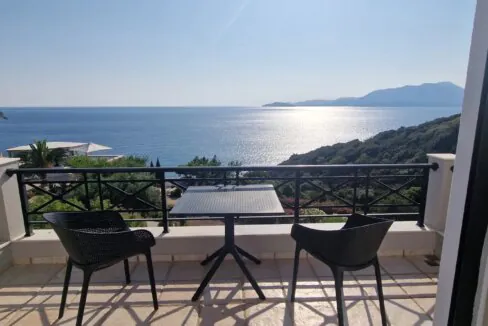 Golden Visa Eligible
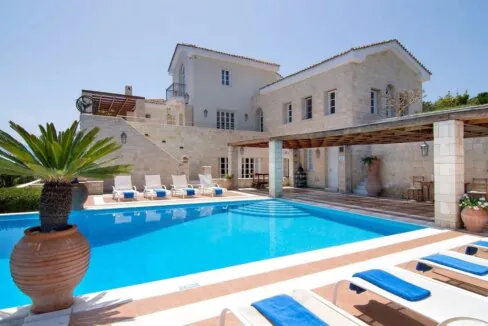 Golden Visa Eligible
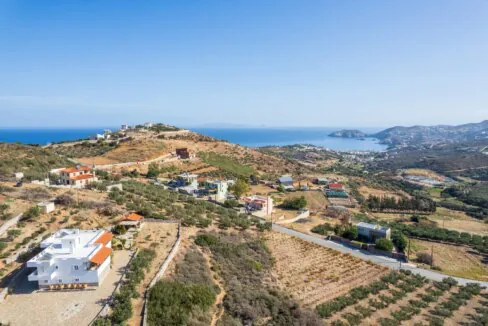 Golden Visa Eligible
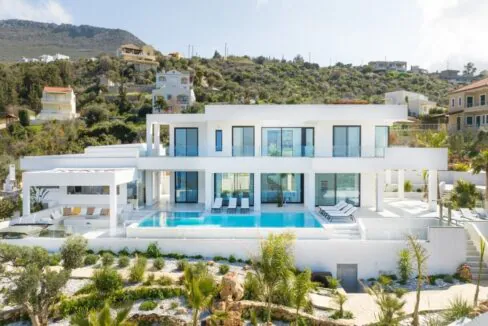 Golden Visa Eligible
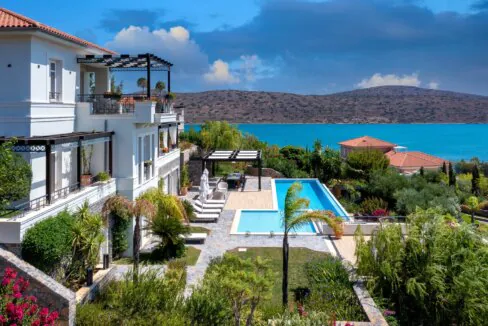 Golden Visa Eligible
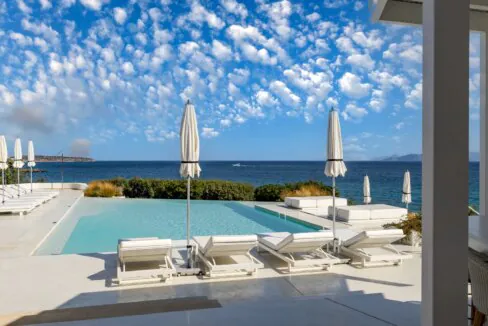 Golden Visa Eligible
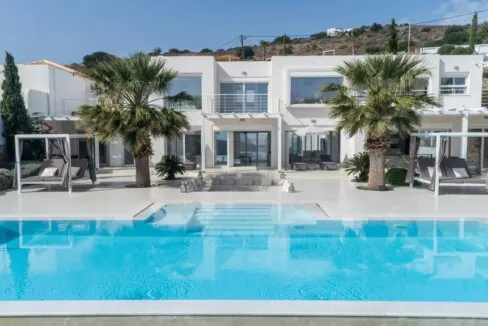 Golden Visa Eligible
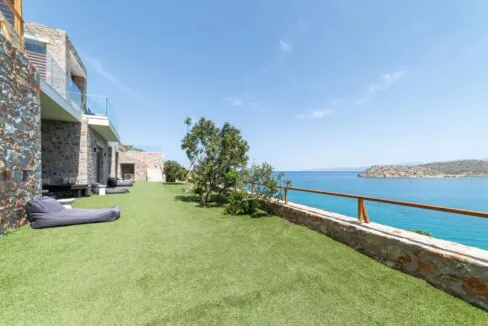 Golden Visa Eligible
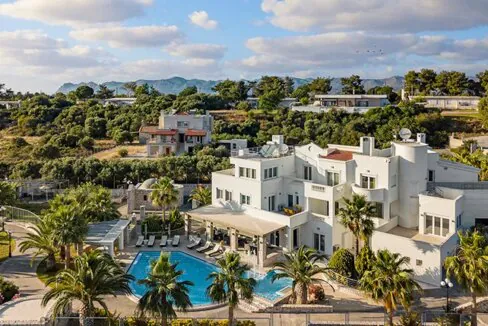 Golden Visa Eligible
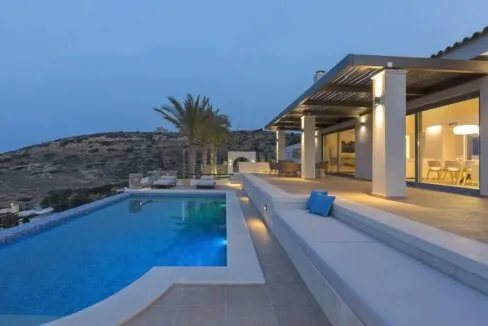 Golden Visa Eligible
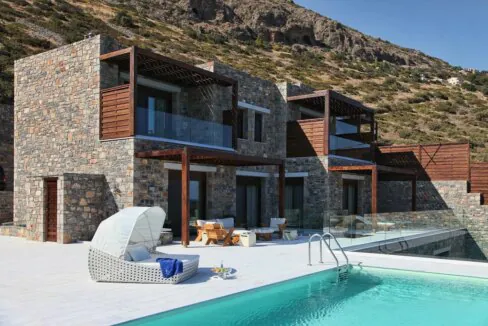 Golden Visa Eligible
 Homes for Sale GreeceAI concierge